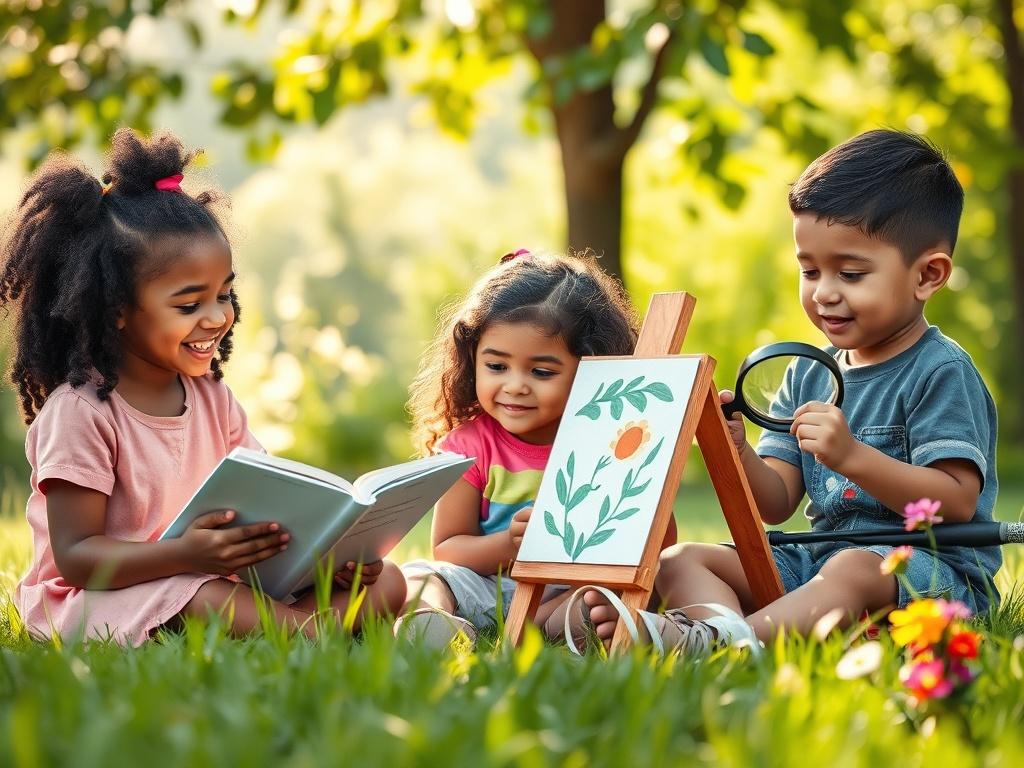
Education is more than just memorizing facts and passing exams; it encompasses the growth of the whole person. Holistic education emphasizes the development of a student's intellectual, emotional, social, and physical well-being, creating a foundation for lifelong learning and personal growth. This comprehensive approach nurtures creativity and critical thinking, enabling students to thrive in various aspects of their lives. In today’s rapidly changing world, understanding the importance of holistic education is crucial for both educators and parents, as it equips the younger generation with the skills they need to navigate life's complexities.
In this blog post, we will explore the benefits of a well-rounded education and how it contributes to personal development. We will delve into the various dimensions of holistic education, recognizing its role in fostering self-awareness, empathy, and resilience. Furthermore, we will examine how this approach prepares students to tackle real-world challenges, ensuring that they emerge as adaptable and capable individuals. Join us as we unpack the essential elements of holistic education and its transformative impact on students' lives.
Understanding the concept of holistic education: A foundation for growth
Holistic education engages students in a comprehensive learning process that nurtures not only their intellectual capabilities but also their emotional, social, and physical development. This approach recognizes that education extends beyond traditional academic subjects, encouraging learners to engage with their surroundings and develop a deeper understanding of themselves and others. By promoting critical thinking, creativity, and collaboration, holistic education fosters a more meaningful connection to the knowledge students acquire. This foundation allows them to approach problems from multiple perspectives and grow into well-rounded individuals.
Incorporating a variety of teaching methods and learning experiences, holistic education addresses the diverse needs of students. It emphasizes the importance of experiential learning, where students can apply knowledge in real-life situations, thereby solidifying their understanding. By creating a supportive environment that encourages inquiry and exploration, holistic education cultivates a passion for lifelong learning. As students develop not only academically but also socially and emotionally, they become better equipped to navigate the complexities of adulthood and contribute positively to society.
Explore the benefits of a well-rounded education in personal development
A well-rounded education nurtures multiple facets of a student’s personal growth, fostering not only intellectual abilities but also emotional, social, and physical skills. When students engage in a variety of activities—ranging from the arts and humanities to sciences and athletics—they develop a broader perspective of the world. This diversity in learning encourages critical thinking, creativity, and adaptability, which are essential tools in both personal and professional realms. By enriching their educational experience with a blend of disciplines, students cultivate a sense of self-awareness and confidence that supports their unique aspirations and interests.
Furthermore, holistic education builds strong interpersonal skills through collaboration and teamwork, creating opportunities for students to connect with peers and educators alike. Participating in group projects, discussions, and extracurricular activities cultivates empathy and communication skills, which are vital in today’s interconnected society. As students explore their passions and connect with others, they learn to appreciate different perspectives and develop a strong sense of community. Ultimately, a well-rounded education equips students with the resilience and social skills necessary to navigate the complexities of life, preparing them to face challenges and seize opportunities with well-rounded confidence.
How holistic education prepares students for real-world challenges
Holistic education equips students with essential life skills that extend beyond academic knowledge. By integrating emotional, social, and physical development into their learning experiences, students become adaptable and resourceful. For instance, group projects foster teamwork and communication, while arts and physical activities promote creativity and resilience. These collaborative and interactive elements prepare students to navigate diverse environments and challenges in their personal and professional lives.
Furthermore, holistic education encourages critical thinking and problem-solving abilities. Students learn to approach issues from multiple perspectives, which enhances their capacity to tackle complex problems in innovative ways. This comprehensive approach not only prepares them for future careers but also instills a sense of responsibility and ethical awareness. In a rapidly changing world, holistic education ensures that students emerge not only as knowledgeable individuals but as well-rounded contributors to society, ready to make impactful decisions.